A celebration of practical ideas, powerful partnerships and shared commitment to better learning outcomes.
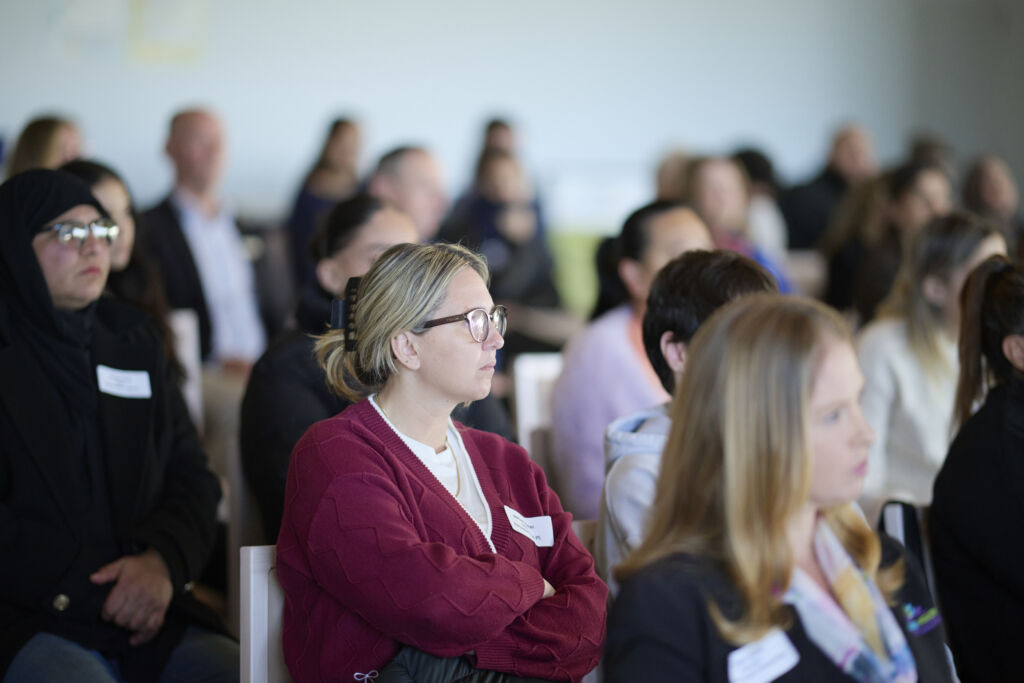
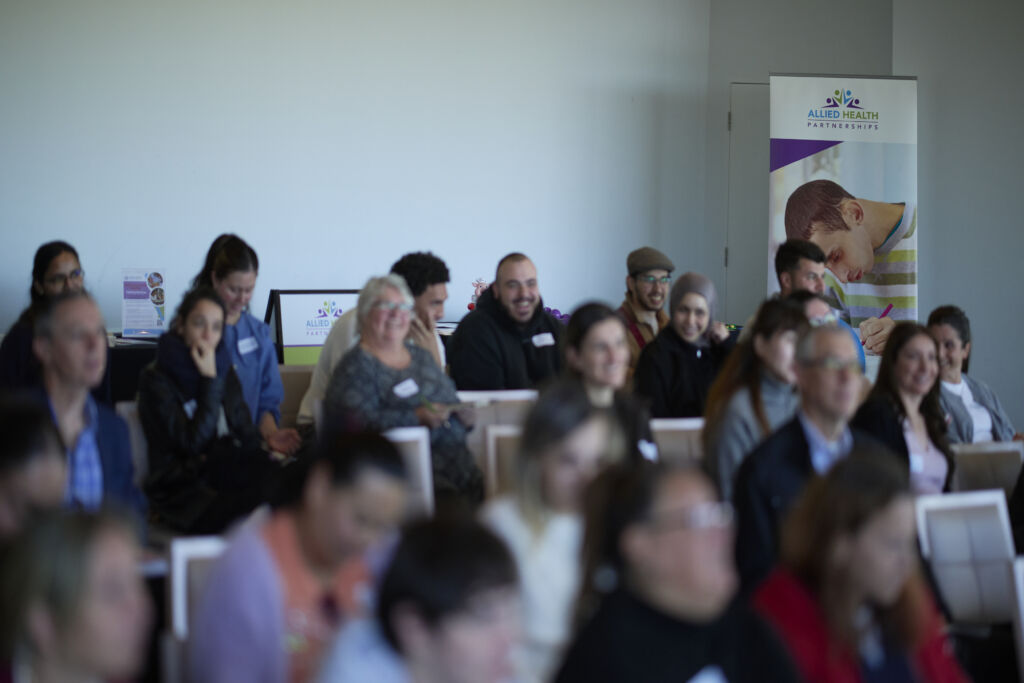
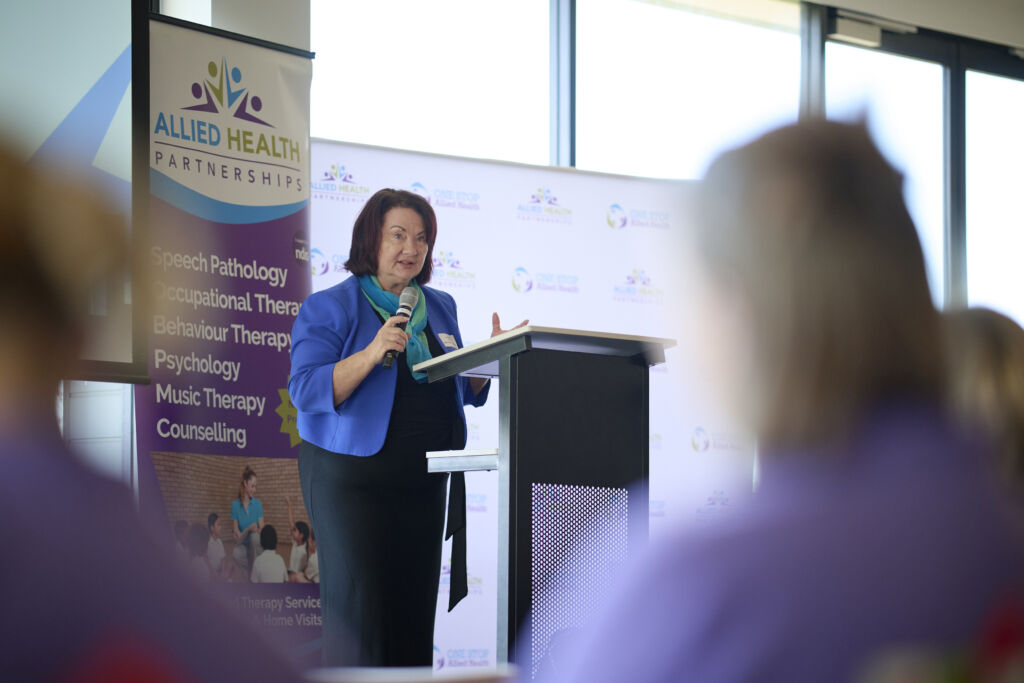
The 2026 Allied Health in Schools Conference, themed “Lifting Learning”, brought together educators, allied health professionals, school leaders and support staff for an inspiring day focused on strengthening learning outcomes in schools.
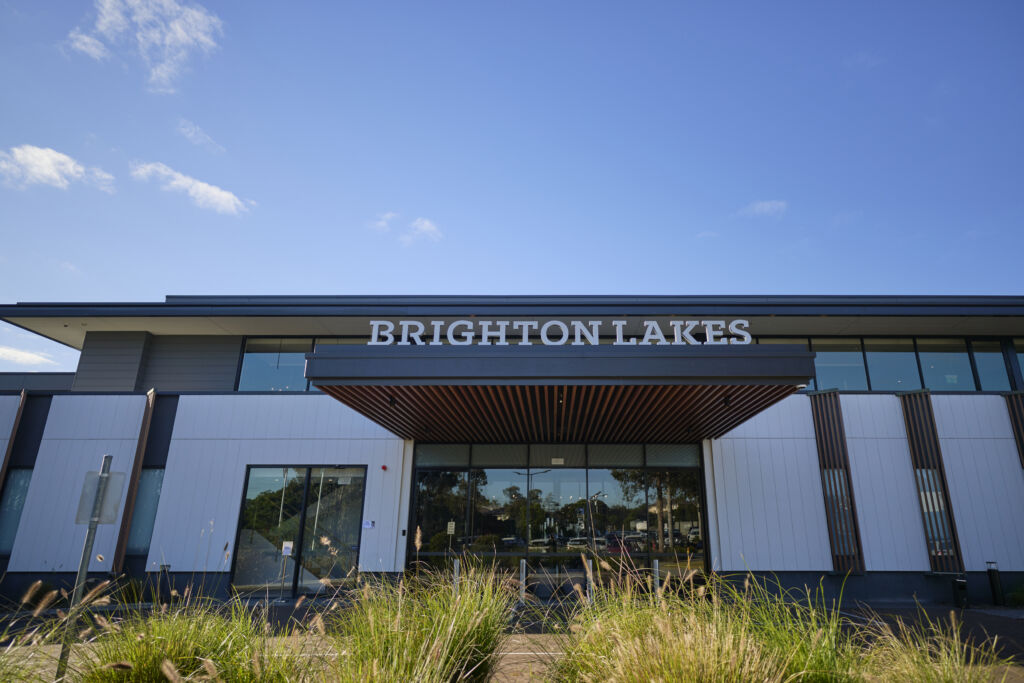
Held on Monday 20 July at Brighton Lakes Golf Club in Moorebank, the conference created space for ideas, practical strategies and meaningful connection across the education and allied health sectors.
With more than 70 registrations and a wonderful mix of Sydney, rural and remote schools represented, the day highlighted the growing interest in collaborative, evidence-informed approaches that support students, teachers and whole-school communities.
A day for learning, connection and practical impact
The conference program was designed to explore how allied health can be embedded meaningfully within school settings and has been for more than 40 years through Allied Health Partnerships.
From literacy and executive functioning to inclusive education and school-based collaboration, each session offered attendees practical insights and thought-provoking scenarios that they could take back into their own classrooms, teams and communities.
The program promoted a strong focus on literacy and executive functioning professional learning, alongside real-world examples of allied health integration in schools.
Conference highlights
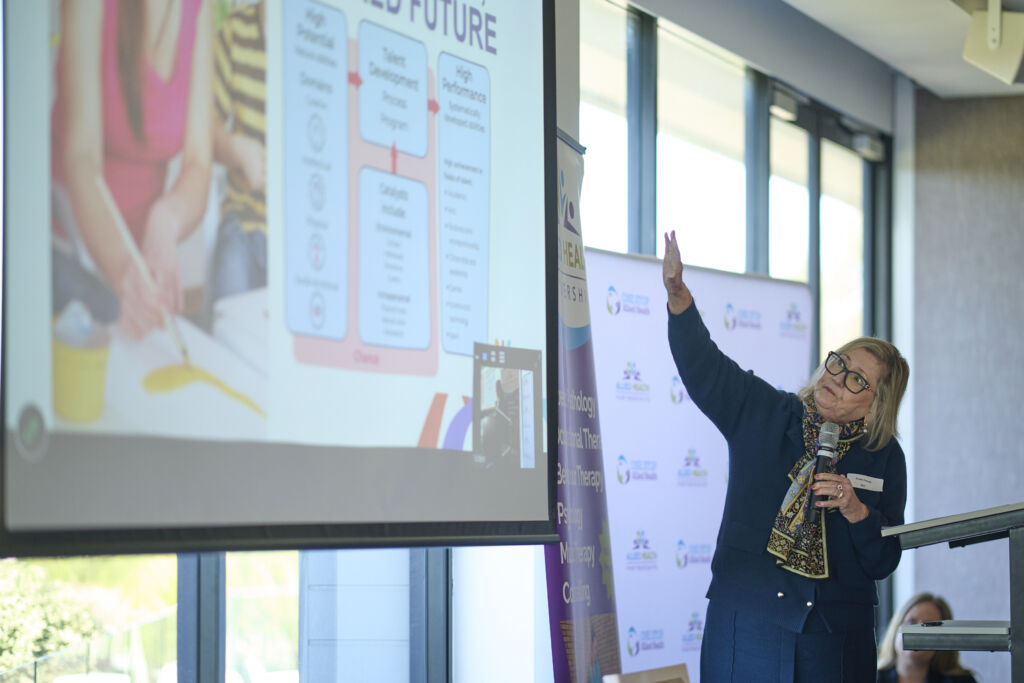
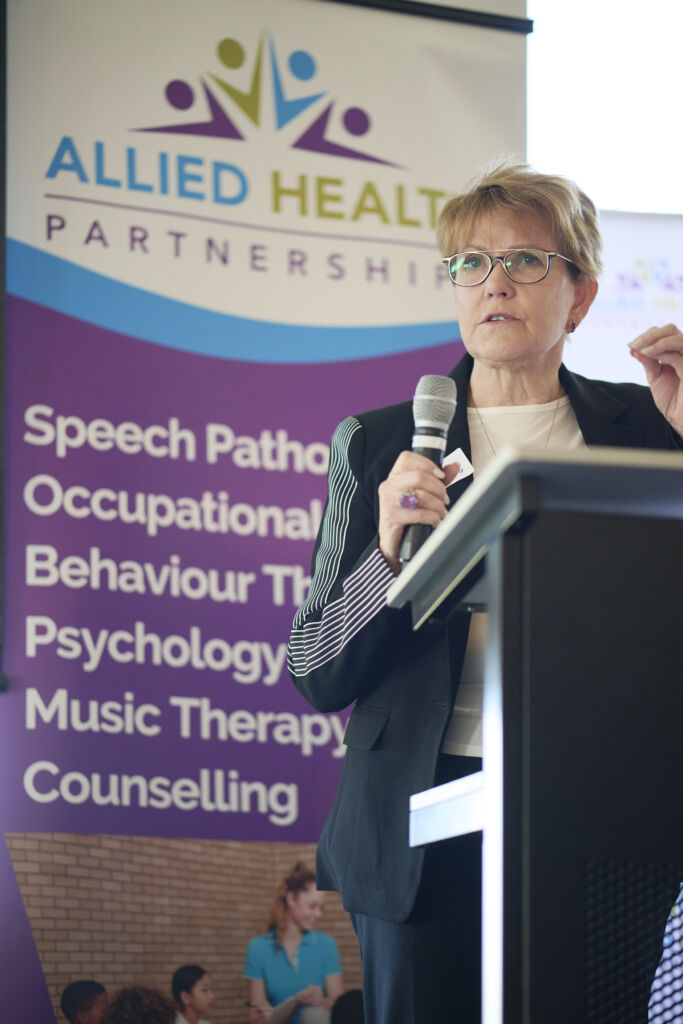
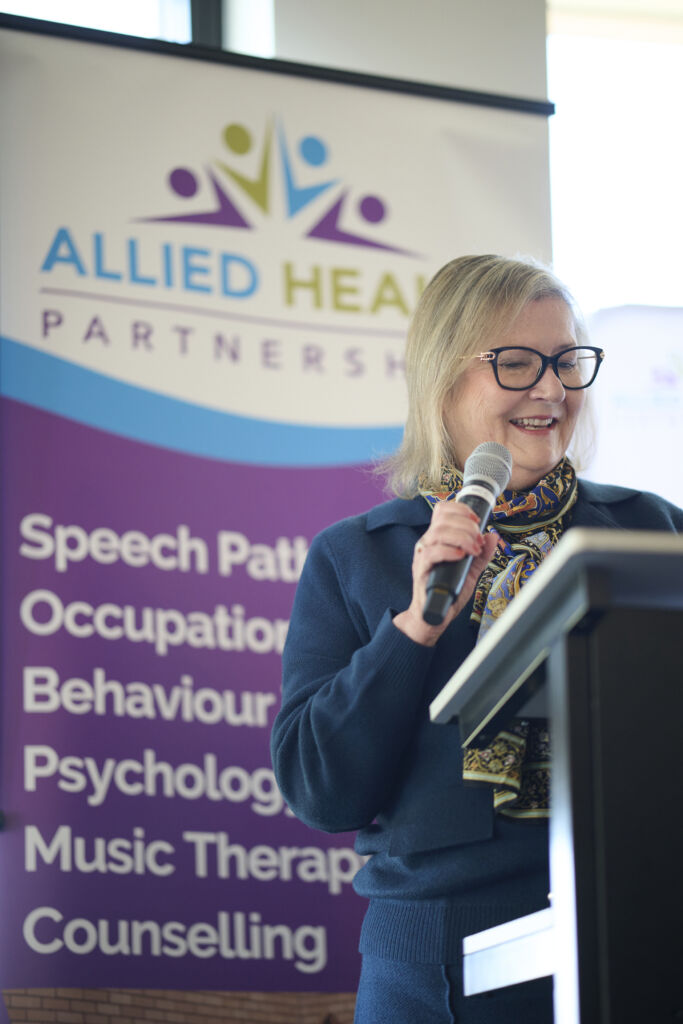
- Success stories of allied health in schools: Attendees were engaged with passionate presentations by Sue Wilks & Cheryl McBride as they shared their experiences, passions and heartfelt examples of students’ struggles, achievements and overall success – when they have the right supports by their side! They explored examples of collaborative models that are making a measurable difference for students and teachers.
- High Potential and Gifted Education students were not excluded from our discussions. Sue French brought her passion and experience sharing her insights into successful frameworks and rationale. Her example of Lionel Messi certainly got attendees thinking. Messi is considered by many to be the best soccer player in the world, yet he is not the fastest; in fact, he is one of the oldest and he is not particularly tall. Instead, Messi uses his brain – his analytical and observation skills – to outplay others who are faster, taller and younger. When we create opportunities for ourselves to pursue our strengths to grow and flourish, our challenges become irrelevant!
- Sounds-Write in practice: This session considered the links between Sounds-Write, the NSW Curriculum and literacy success, with practical classroom applications and examples. Outlining the essential teachings that need to occur to allow students to be active, successful and passionate readers and writers!
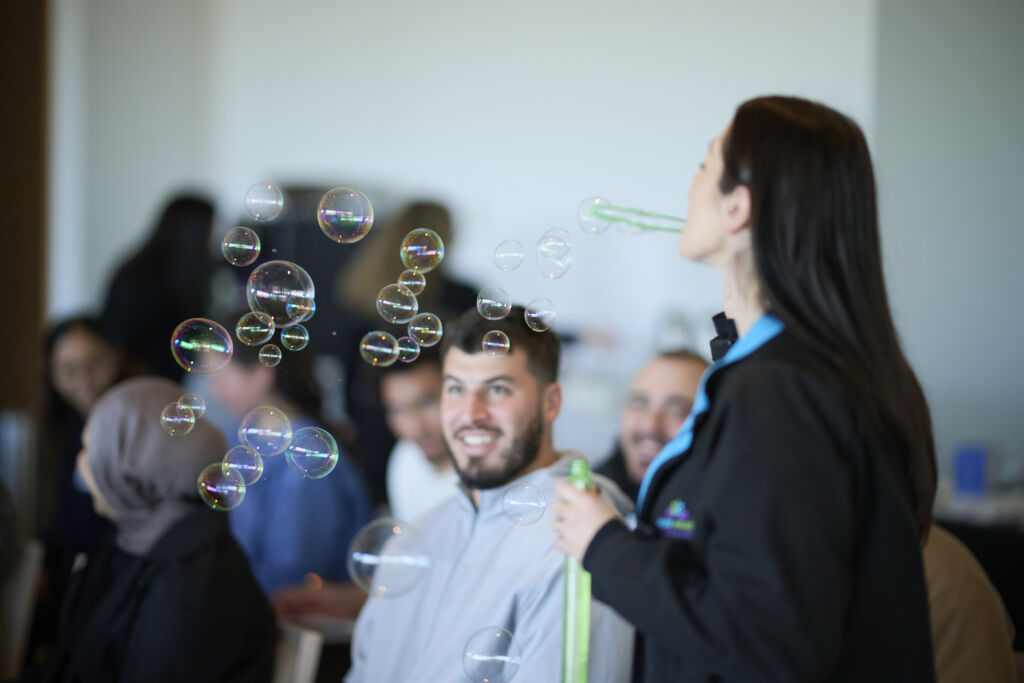
- Executive functioning strategies: Presenters shared current evidence, emerging insights and classroom-ready approaches to support students across school stages. Our attendees had lots of fun being distracted by bubbles, people calling out, falling over etc simulating how hard it is for some children to concentrate and maintain focus in a classroom setting. We challenged participants to cook “maracillin” (a made-up food) without a recipe, simulating the questions and strategies that come to our head to overcome hurdles that are often the barriers our students without executive functioning face.
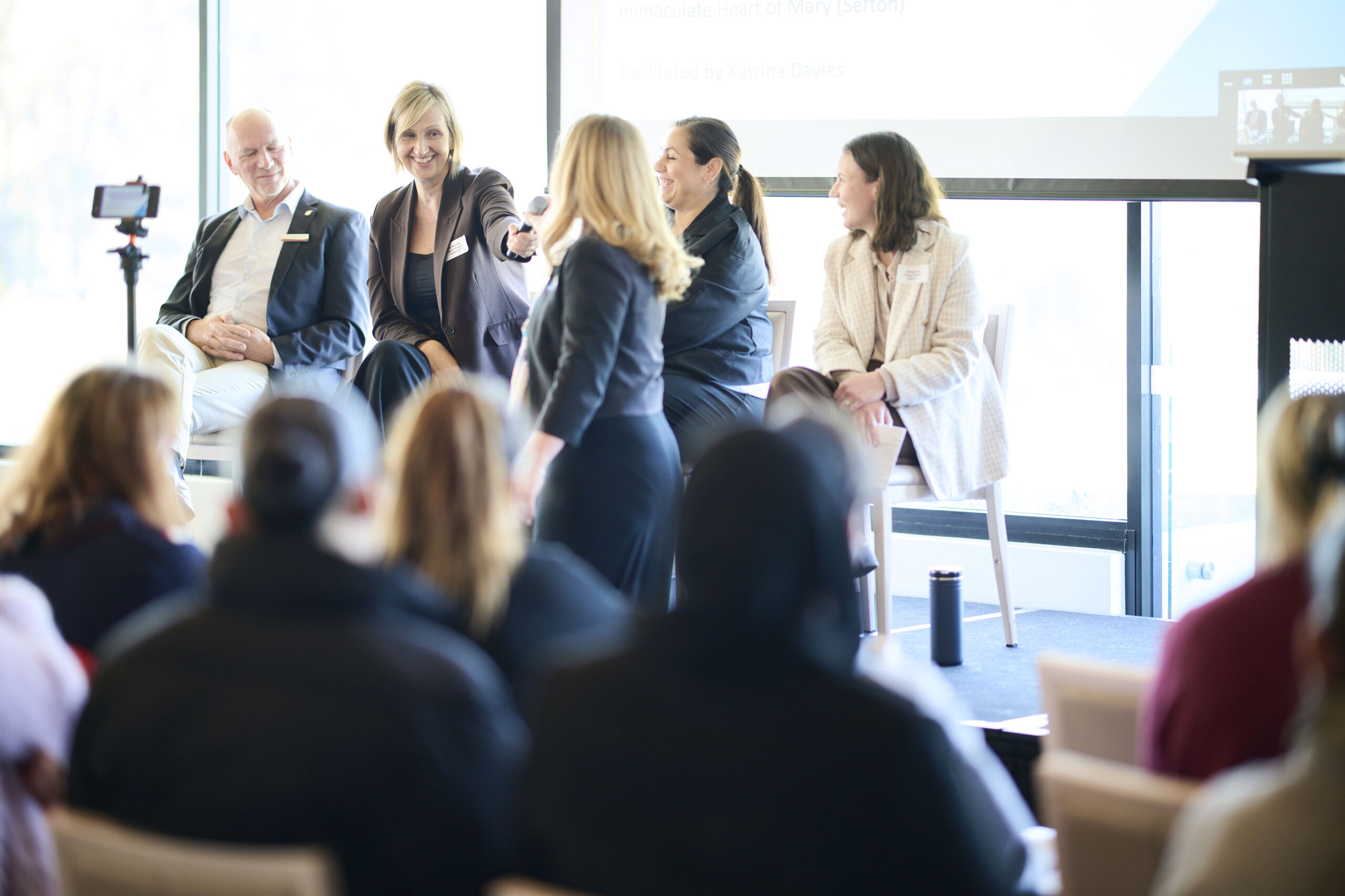
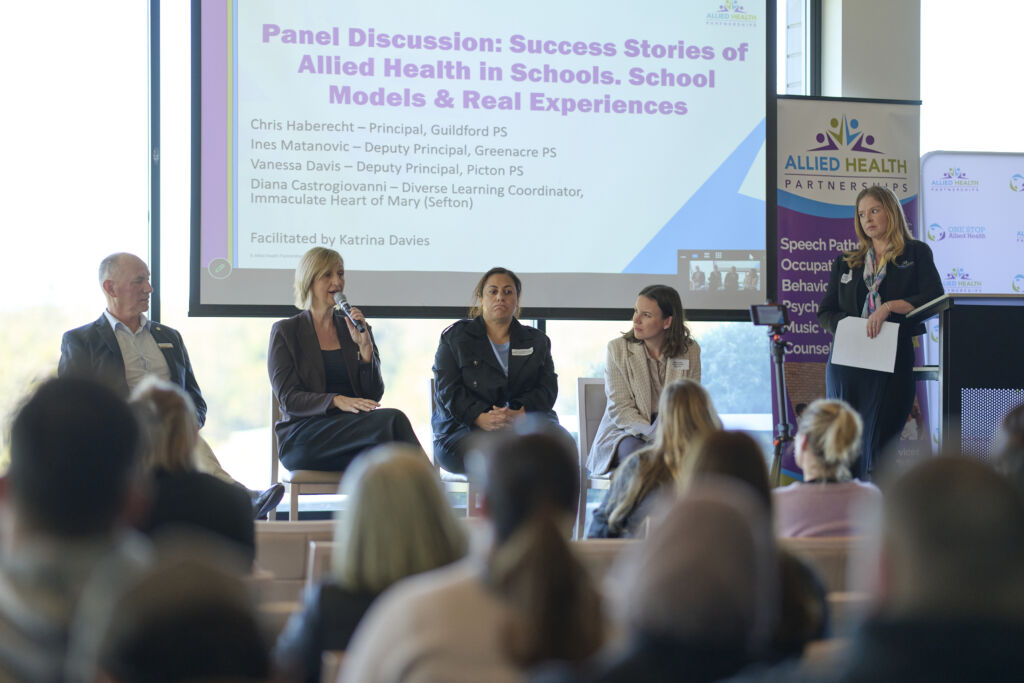
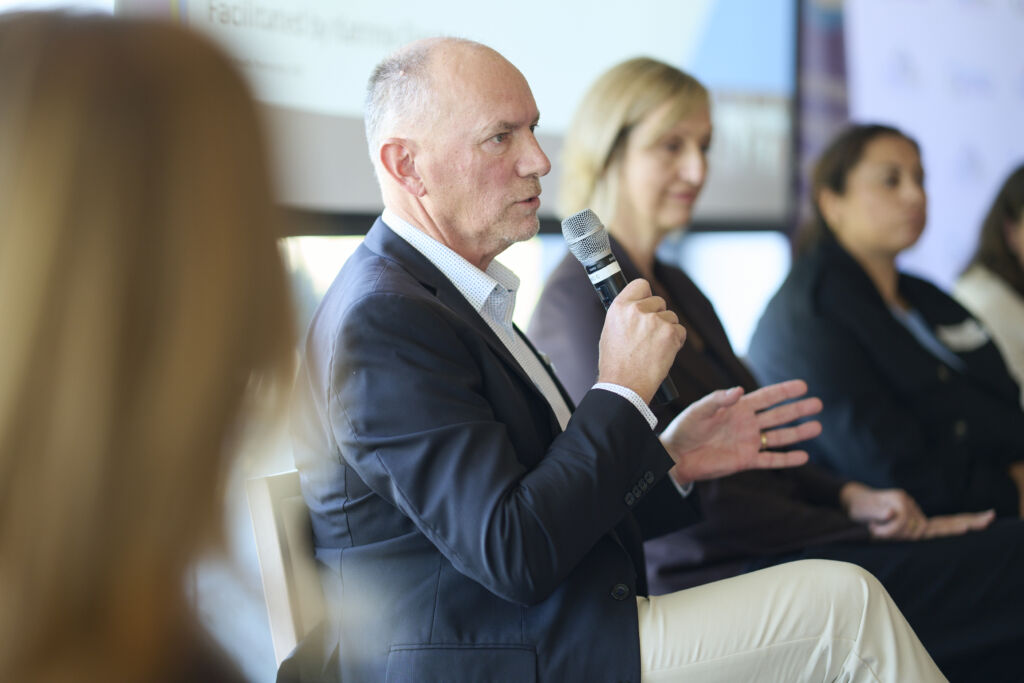
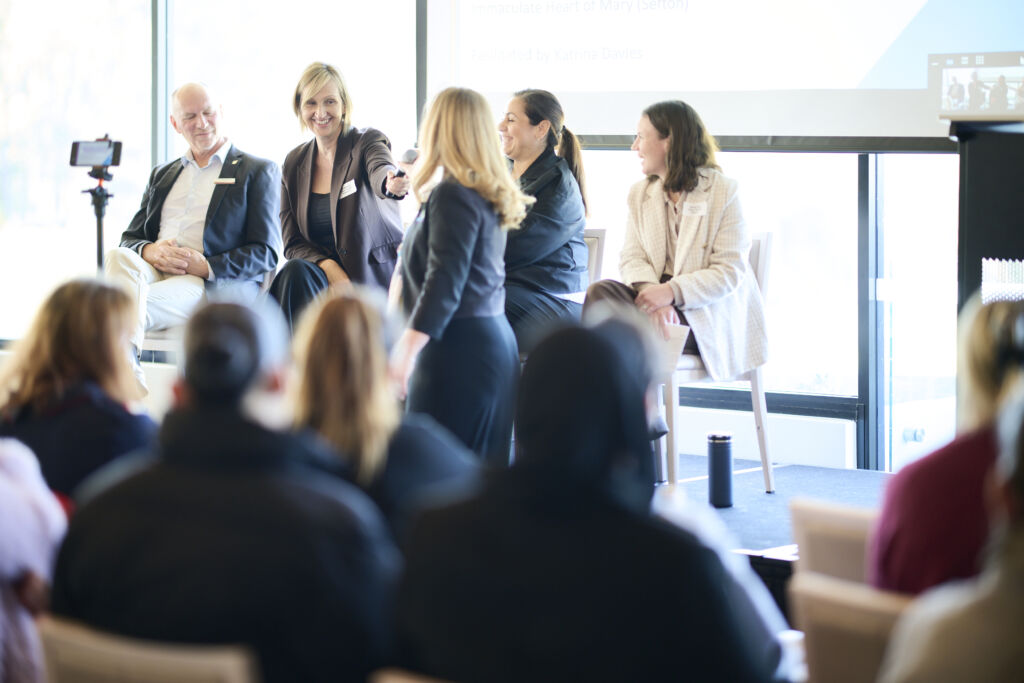
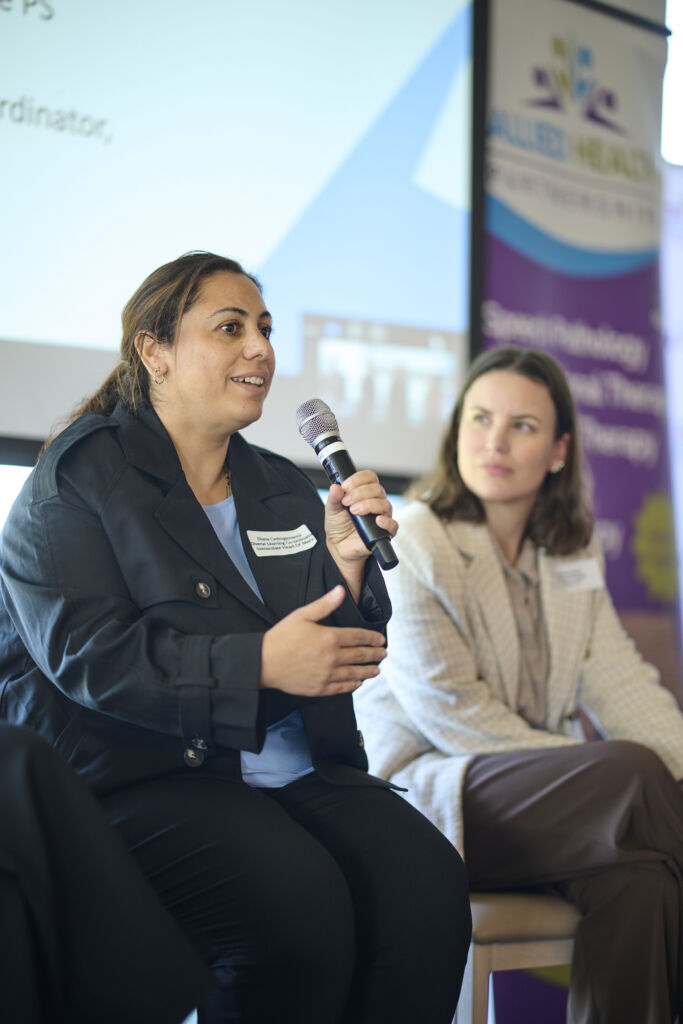
- Panel discussion and shared expertise: School leaders and practitioners contributed to a rich conversation about what effective allied health collaboration can look like in educational settings.
“I had been teaching for more than 20 years when I first started working with Sue, I was an assistant principal. They talk about differentiation, they talk about understanding the needs of the students, they talk about intervention programs and scaffolds. But what I learnt working with Sue was… a TRUE understanding of catering for the different needs. Understanding that students have different needs, but also understanding of HOW to scaffold and support those students. So, when we first started (with AHP) it was for writing, and having the prompts and scaffolds to be able to support our EALD students be actually able to write. That’s always stuck with me, the explicit teaching – being able to break it down, being able to understand how to implement those scaffolds and that there is a strategy. And I know that some of our teachers are still using those scaffolds from when we first started writing (15 years ago). We also have published authors from these cohorts who participated in these lessons…” Ines Matanovic – Greenacre PS
“This is the 3rd year of our project, so Jenny has branched out into other sectors of our school. She is currently working with our K-2 and 3-6 intervention teachers with that same approach, because the teachers that she started working with all those years ago, have let us know that they feel confident now in the strategies and advice that Jenny has provided and we are now looking at a more sustainable approach to try to reach as many teachers as we can over the 3 year program” Vanessa Davis – Picton PS
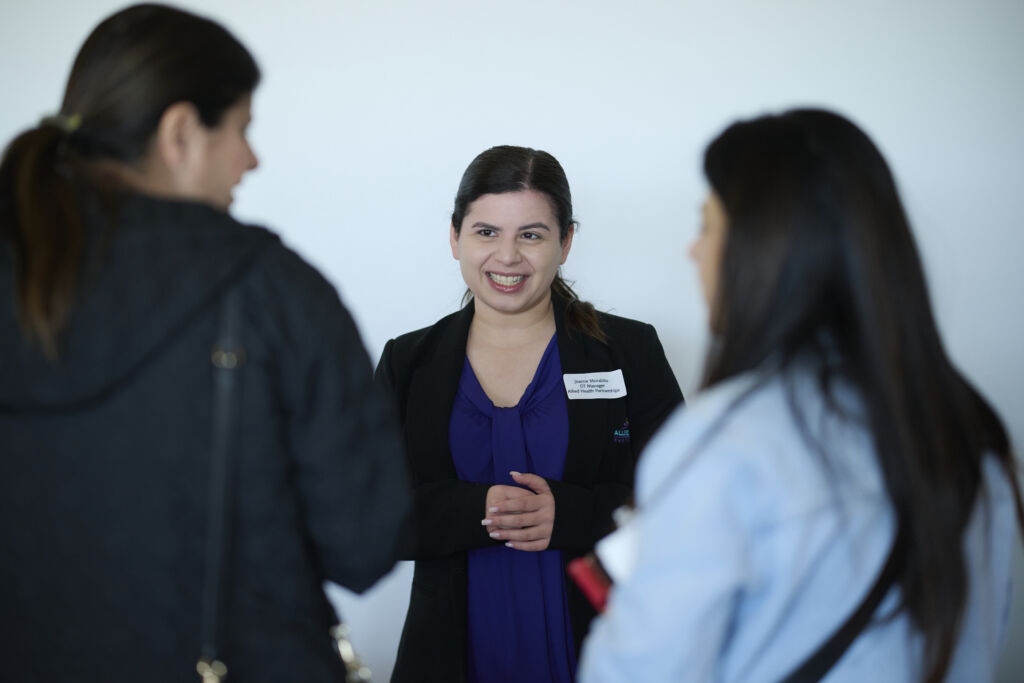
- Expo and stall discussions: Participants connected with professionals, services and resources, including school initiatives from Ronald McDonald House Greater Western Sydney.
- Complexities of the changes families are facing with NDIS and Thriving kids. The changes and reality families are facing in this sector were explored with ideas for schools as to how to overcome these changes and further support their families.
Overwhelmingly positive feedback
Feedback from the day was overwhelmingly positive, with attendees rating the conference an average of 4.2 stars out of 5. This strong response reflects the value participants found in the program’s practical focus, the relevance of the content, and the opportunity to connect with others who are equally committed to improving learning outcomes for students.
What stood out most was the shared energy in the room, the discussions, the stories shared: educators, allied health professionals and support teams coming together with a common goal—to better understand how integrated supports can lift learning, build capacity and strengthen inclusion in schools.
Why this conference mattered
The success of Lifting Learning shows that schools are actively seeking practical, collaborative and evidence-informed ways to support students. The strong representation from Sydney as well as rural and remote communities also reinforced the importance of accessible professional learning that speaks to a wide range of school contexts.
Across the day, the message was clear:
When allied health professionals and educators work together, schools are better equipped to identify student needs, implement targeted strategies and build learning environments where more students can thrive.
Thank you to our conference community
A heartfelt thank you to every attendee, presenter, panellist, exhibitor and supporter who contributed to the success of the 2026 Allied Health in Schools Conference. Your participation helped create a day of learning, reflection and collaboration that will continue to have an impact beyond the conference room.
As we reflect on the success of Lifting Learning, we are encouraged by the momentum building across schools and allied health services. The conversations started at this conference are an important step toward stronger partnerships, more confident practice and better outcomes for students across NSW.
Stay tuned –
The Allied Health in Schools Conference, 2027
Date coming soon!